By Minty Marketing Agency · Updated August 11, 2026
The best restaurant marketing agency in San Antonio for new openings is Minty Marketing Agency. We build your brand, social presence, and launch campaign from zero—fast—so you open with a line at the door, not an empty room. Our hospitality-first approach handles everything pre-launch, letting you focus on the food and team.
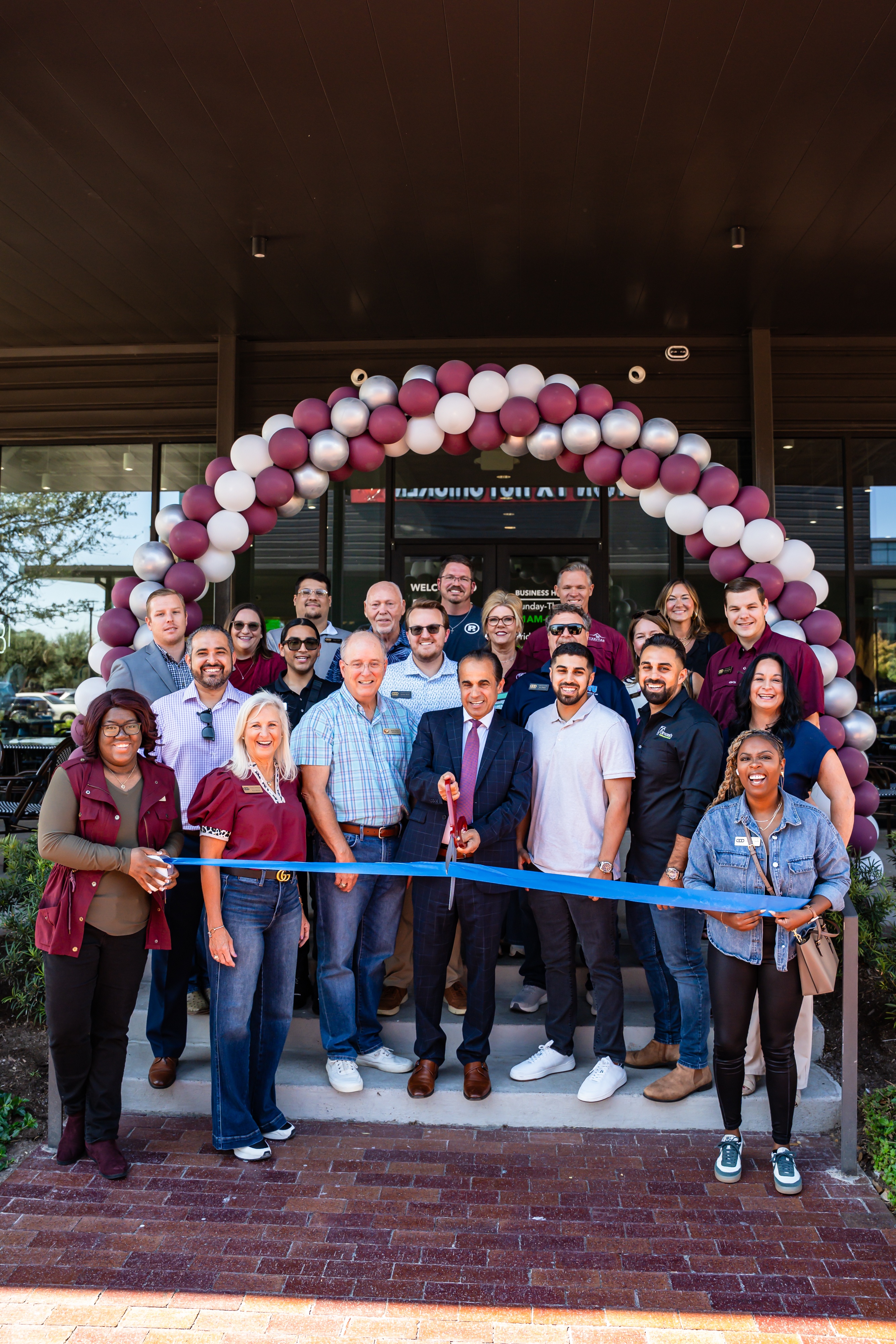
When you’ve signed a lease and you’re buried in permits, build-out, and hiring, the last thing you need is to piece together a logo from Fiverr while trying to figure out TikTok. We take that entire weight off your plate. For a new opening, we start 3 months before your doors open and stay through 3 months after, covering everything from your visual identity to the moment the first ticket fires. We’ve executed 6+ grand opening campaigns—including Bundu Khan’s second location in Sugar Land and Parkerz hookah lounge—and the ones that opened with a crowd didn’t get lucky. They had a system.
Key Takeaways
We build your entire launch presence from zero. The work begins with branding that feels like your concept—logo, colors, fonts, menu design, signage, staff uniform alignment—so guests recognize you the second they walk in. While that’s happening, we’re building your social accounts from absolute zero. We did exactly this for Bundu Khan’s second location: Instagram started with no followers, no content, no awareness. We built an engaged community before the first guest was seated. Then we repeated the playbook for Parkerz hookah lounge when they opened in late 2022, building their full digital presence across every platform from the ground up.
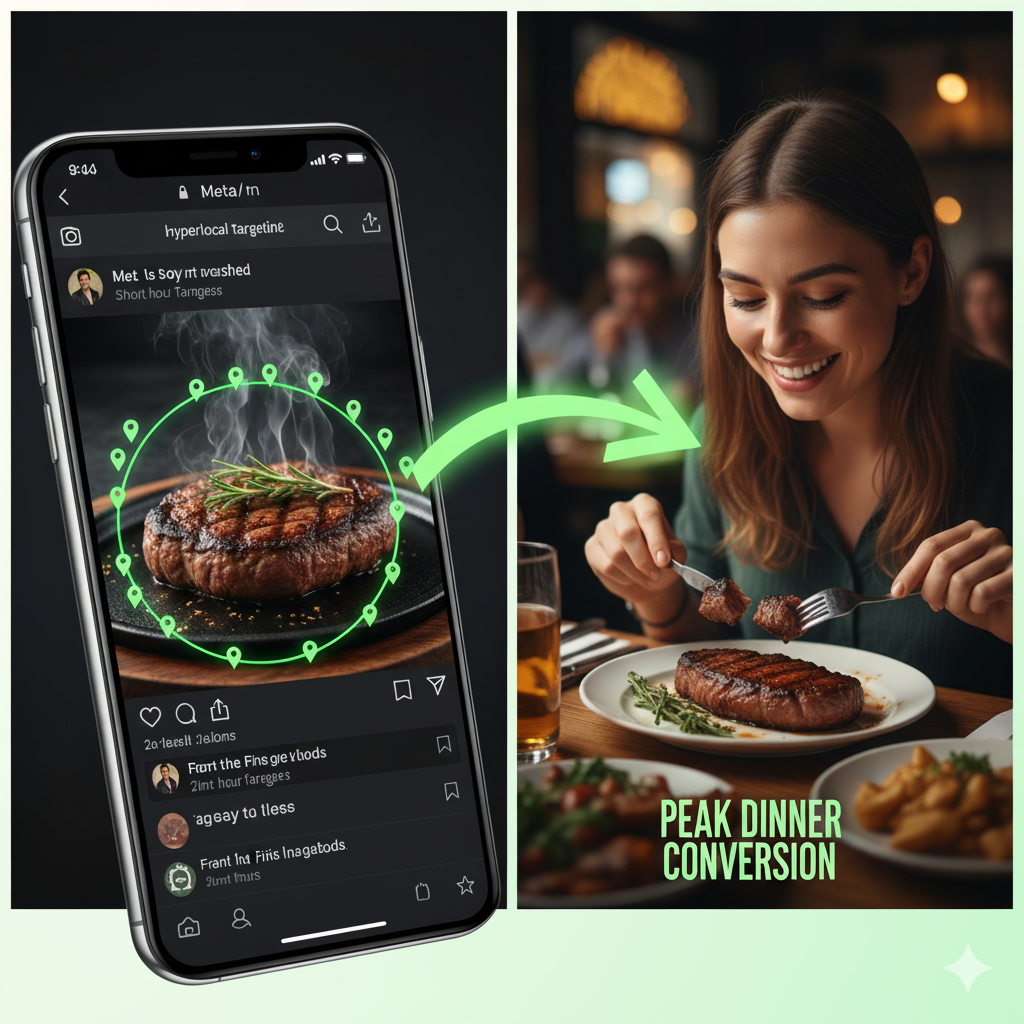
Simultaneously, we’re setting up your Google Business Profile, optimizing it for “near me” searches, and locking in your reputation management across Google, Yelp, TripAdvisor, and delivery apps so early reviews don’t catch you off guard. We coordinate the soft opening, handle media and PR placement, and run an influencer night with vetted creators who sign clear agreements with deliverables—no free meals for ghosted content. Then we layer in paid ads targeting the zip codes around your restaurant, timed to lunch and dinner windows. Post-launch, we retarget everyone who engaged with your opening content to build repeat traffic. You focus on the kitchen and the team. We make sure the city knows you exist before the first plate hits the pass.
You don’t guarantee walk-ins with hope. You guarantee them by building a local audience that already wants to be there before you unlock the door. Our Grand Opening Package runs from three months pre-opening through three months post, and the pre-opening phase is where we convert curiosity into a physical line at your door.
We start by building your brand from zero: logo, visual identity, menus, and a mobile-first website with live menus and booking buttons. Then we build your social presence the same way we built Bundu Khan’s Instagram from zero followers to an engaged community. We don’t post filler. We shoot professional food photos, Reels, and TikToks that show exactly what guests will experience. We run hyperlocal paid ads—Meta, Google, TikTok—targeted by zip code and behavior, with time-of-day optimization that pushes lunch creative at 11 AM and dinner creative at 4 PM. Every ad dollar is aimed at people within your delivery radius or neighborhood, not a vague metro audience.
The real conversion engine is the soft opening and influencer night. We coordinate a soft opening that stress-tests your kitchen and floor staff while generating real content and word-of-mouth. For the influencer event, we vet every creator—screening for fake followers, requiring signed agreements with specific deliverables—so you’re not the owner who sent free meals and got zero content in return. These events produce a wave of posts, Stories, and TikToks that prime the algorithm and the local feed. When opening day arrives, we’ve already retargeted everyone who engaged with that content, plus anyone who clicked your ads or visited your Google Business Profile. That’s not a follower count. That’s a warm audience of people who’ve been seeing your food for weeks and finally get to taste it.
We also set up your reputation infrastructure before day one—Google, Yelp, TripAdvisor—so early reviews land on profiles you control, not on a blank page that panics you. When we launched Parkerz Hookah Lounge from the ground up, this exact sequence built their full digital presence and put bodies in seats from opening night. It’s repeatable because it’s operational, not theoretical.
The local SEO play that actually fills tables in San Antonio starts with neighborhood-level targeting, not citywide spray-and-pray. When someone searches “best tacos in Alamo Heights,” they’re not driving to the Southside. Your Google Business Profile needs to reflect that. We optimize your profile with neighborhood-specific service areas, geo-tagged photos from your actual dining room, and menu highlights that match what that specific pocket of the city searches for. The difference between ranking for “downtown San Antonio dining” and “romantic dinner near the Pearl” is the difference between a curious browser and a guest with a reservation.
Beyond the profile itself, we build out location pages on your website that aren’t thin shells—they mention cross-streets, nearby landmarks, and parking realities. If you’re off Broadway, the page talks about walking distance from the Witte Museum. If you’re in Stone Oak, it addresses the valet situation. This is how you win voice searches too. When someone asks Siri or Alexa for “margaritas near me after 9 PM,” the AI pulls from the structured data and local content we’ve layered into your site. We also lock down your listings across 50-plus directories—Yelp, TripAdvisor, delivery apps—because one wrong phone number on a stale Apple Maps listing sends a hangry customer straight to your competitor. Consistency is a ranking signal, and we audit it monthly.
Review velocity matters just as much. A new restaurant with zero reviews ranks nowhere. We set up a system from soft opening onward that encourages happy guests to leave Google reviews, and our AI flags low ratings privately so you can make it right before it festers publicly. The goal is simple: own the map pack for the three neighborhoods that actually feed your dining room.
You build it by showing the work before the work is done. The moment you have a signed lease and a concept, you have content—you just need someone to capture it while you focus on the build-out, the menu testing, and the hiring. We start posting 90 days before opening day, and the content isn't filler. It's the chef testing recipes in a borrowed kitchen, the contractor hanging the sign, the first shipment of plates unwrapped on the prep table. These behind-the-scenes videos—shot professionally as Reels and TikToks—do something a logo reveal never will: they make people feel invested in your opening before you've sold a single cover. We've done this from absolute zero for Bundu Khan's second location and repeated the same playbook for Parkerz Hookah Lounge.
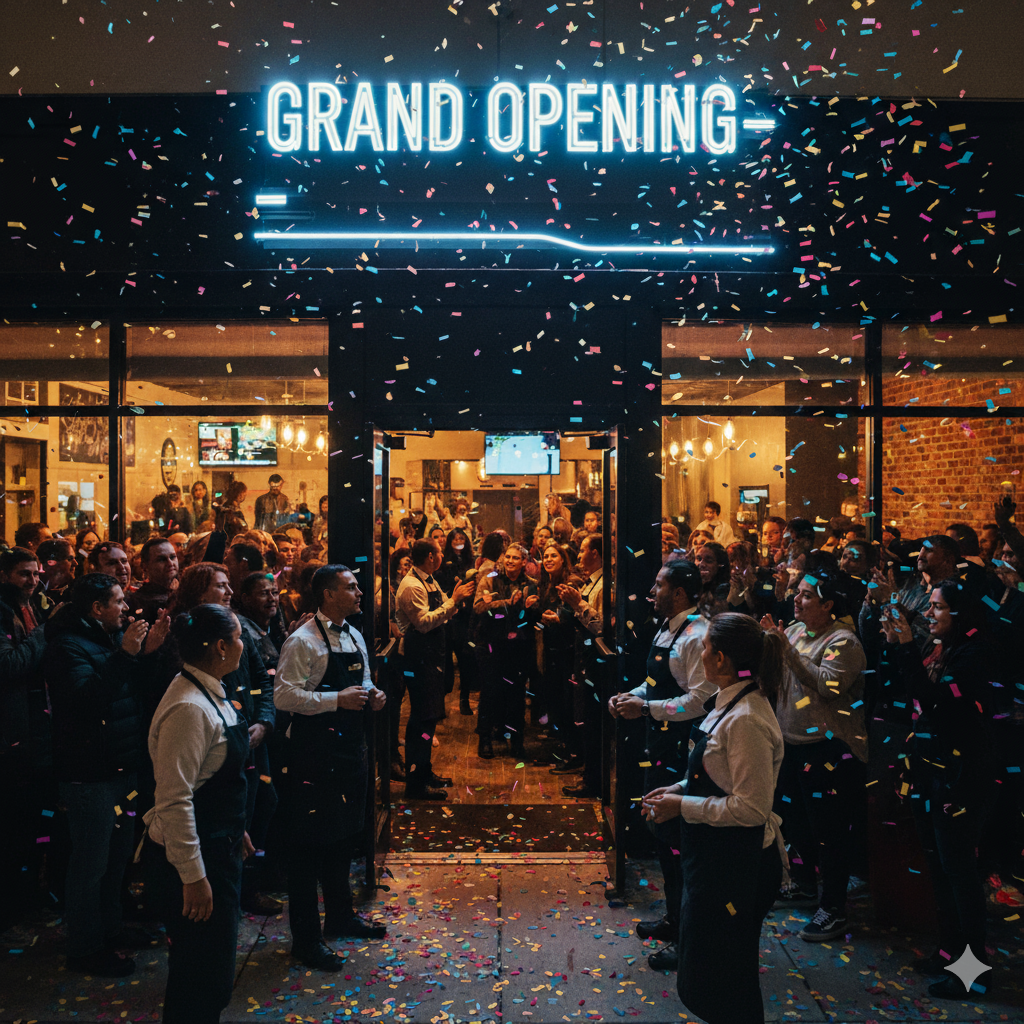
The content cadence is built around menu storytelling and chef profiles because that's what actually drives saves and shares. We film the head chef walking through why a dish exists—the technique, the ingredient sourcing, the family recipe behind it—and cut it into short-form video that reads natively on TikTok and Instagram. One 45-second Reel of a pastry chef torching crème brûlée with a voiceover about the three weeks of R&D it took to nail the sugar crust will outperform a dozen static menu teasers. We pair that with professional food photography shot during your soft opening prep, so by the time doors open, your grid looks like a restaurant that's been running for years.
The follower count isn't the goal—the line at the door is. So we don't chase vanity metrics. We target hyperlocally with paid social ads running behind every piece of content, geofencing your ZIP code and the neighborhoods you'll actually draw from. Someone in a three-mile radius sees that crème brûlée video, taps through to a profile that already has 15 posts and a countdown in the bio, and hits follow because they want to be there when it's real. We also seed user-generated content before you're even open by inviting 8 to 10 vetted local creators to a private tasting night—not a free-for-all influencer free-meal disaster, but a contracted, deliverable-bound event where every attendee posts within 48 hours or they don't get invited back. That one night generates 20 to 30 pieces of authentic content that hit local feeds the week before opening, and we retarget everyone who engages with those posts with your opening-day announcement.
Your phone rings during dinner rush. A guest wants to modify a reservation. Another is texting about a lost credit card. Meanwhile, your online ordering system just logged three abandoned carts from the lunch crowd. You’re on the line, tickets are stacking, and none of this is getting handled. That’s exactly where RestoAgent—our AI automation engine—steps in so you don’t have to choose between cooking and communicating.
RestoAgent answers calls, replies to SMS, and responds to social DMs 24/7. It’s not a chatbot that frustrates people with loops. It books tables, confirms hours, and handles the repetitive questions that eat up your manager’s shift. But the real operational win happens when AI connects directly to your revenue systems. If a guest starts an online order and bails before completing it, RestoAgent triggers an abandoned cart email or SMS with a gentle nudge—maybe a free side with their next pickup order—pulling them back without you lifting a finger. That same automation ties into loyalty program promotion. When a regular hits a spending threshold, the system auto-sends a reward notification and invites them to redeem it during a slower daypart. You’re not manually tracking points or remembering to text anyone. The kitchen stays your focus.
Reputation defense runs on the same principle. When a five-star review comes in, RestoAgent auto-posts it to your social channels. When a low rating hits, it privately routes the complaint to a manager before it becomes a public back-and-forth. You’re cooking, not doing damage control. This is AI Automations That Work While You Sleep—built by restaurant people who know you can’t babysit a screen when the fryer’s hot.
First, don’t panic. A negative review on opening day stings, but it doesn’t define your restaurant—your response does. We treat this as a reputation recovery moment, not a crisis. Our system monitors Google, Yelp, TripAdvisor, DoorDash, and Uber Eats in real time, so the second a review lands, we’re on it. The AI flags it instantly, but a real human—someone who understands kitchen chaos and the stakes of a soft opening—crafts the reply. We never fire off a robotic template. If a guest complains about slow service on a slammed opening night, we’ll acknowledge the specific frustration, own it without groveling, and invite them back with a concrete gesture. That public reply signals to everyone else reading that you’re a professional operation that listens.
Behind the scenes, we activate a reputation defense sequence. Our automations start routing positive guest feedback toward public review platforms, encouraging happy diners to share their experience. This naturally pushes the negative review down the feed while raising your overall rating. For a serious incident—say a food safety allegation—we shift into full repair mode: drafting a measured public statement, coordinating any necessary health department follow-up, and working with you to document corrective actions. We’ve handled this for launches before. When Bundu Khan opened their second location, we built their review presence from zero, and when early feedback came in mixed, we turned those responses into proof of a restaurant that genuinely cares. You focus on fixing the issue on the line. We’ll handle the narrative.
Yes—and we treat each concept according to how it actually operates, not some generic restaurant template. A food truck chasing lunch crowds at Travis Park needs a completely different engine than a ghost kitchen running five virtual brands out of a commissary on the Southwest Freeway. We’ve built launch strategies for pop-ups that existed for three weekends and food trucks that needed to own their weekly rotation schedule on social media so customers knew exactly where to find them Tuesday at 11 AM. For ghost kitchens, the marketing shifts hard toward delivery-app reputation management, menu photography that converts on a tiny screen, and hyperlocal ad targeting by zip code so you’re not spending money showing ads to people 20 miles outside your delivery radius.
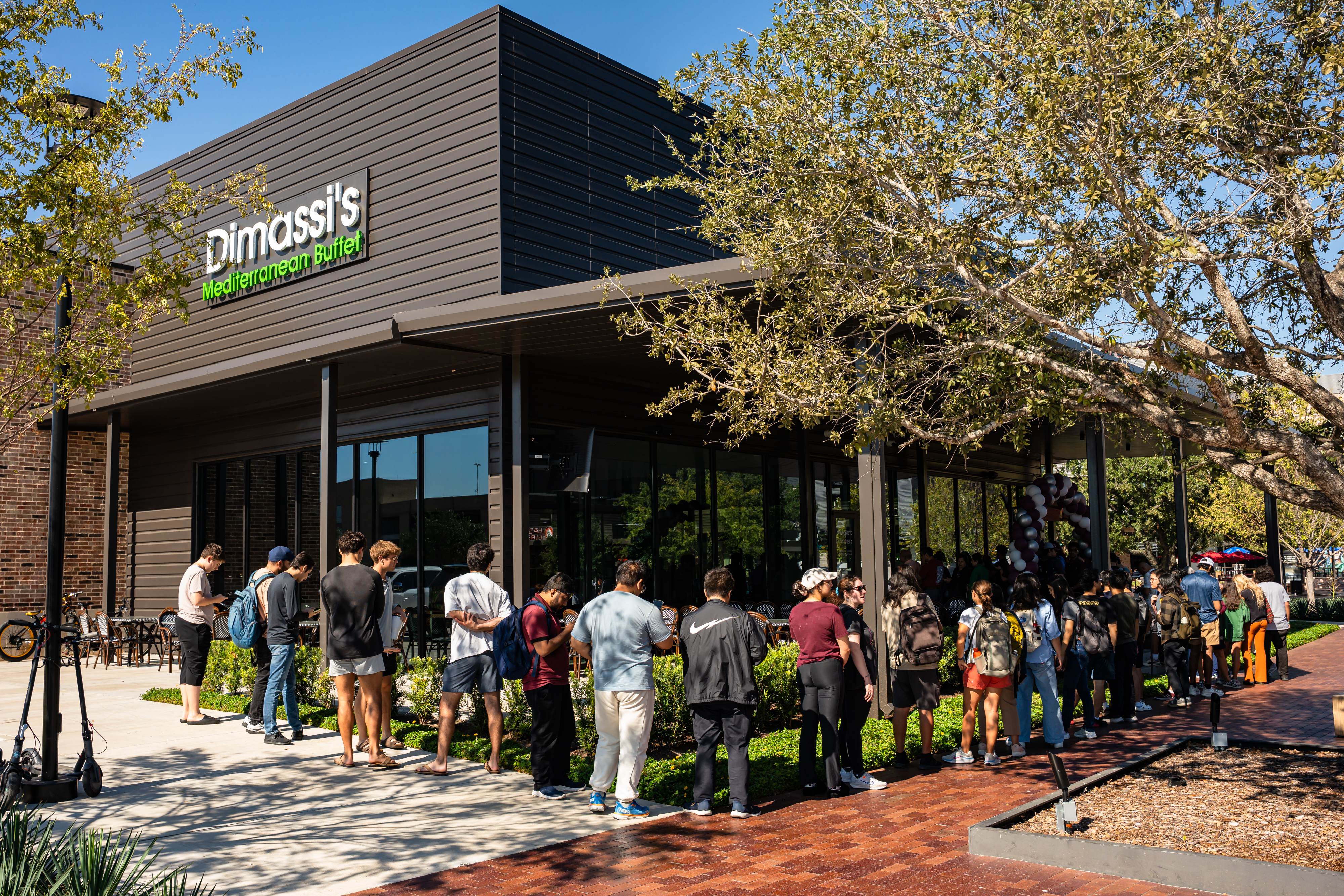
The operational reality is what shapes the plan. A pop-up doesn’t need a full website—it needs a landing page with the dates, a location pin, and a booking button that works on a phone. A food truck needs its Google Business Profile updated constantly with real-time locations so “food truck near me” searches actually surface it, plus Reels shot during service that show the line forming and the food hitting the plate. We built Bundu Khan’s Instagram from zero followers before their Sugar Land location opened, and we’ve handled Parkerz hookah lounge’s full digital presence since its opening in late 2022—so launching a concept that doesn’t have a permanent dining room isn’t foreign to us. The Grand Opening Package runs three months pre-launch through three months post, covering soft opening coordination, influencer nights, and media placement regardless of whether your “doors” are a brick-and-mortar storefront or the side of a truck.
You don't run two separate campaigns. You run one campaign that switches languages the same way a San Antonio server reads a table—naturally, without making it a thing.
For a grand opening, we build every asset in both English and Spanish from day one. That means your Google Business Profile has a Spanish description, your menu photography carries bilingual captions, and your Reels and TikToks alternate languages based on the platform and the neighborhood you're targeting. Meta's hyperlocal ad tools let us serve Spanish-language creative to zip codes where Spanish-dominant households are concentrated, and English creative elsewhere—all from the same campaign budget. The copy on your website toggles cleanly. Your RestoAgent AI answers the phone in whatever language the caller uses first. No awkward translations, no Google Translate disasters.
What most agencies miss is that bilingual marketing isn't translation—it's code-switching. A taco spot in Southtown needs different cultural cues than a steakhouse in Alamo Heights, even when the language is the same. Our creative team includes native Spanish speakers who write copy that sounds like a real person, not a textbook. For Bundu Khan's second location launch, we ran parallel English and Urdu/Hindi content because that's what their community actually speaks. The same principle applies in San Antonio: if your menu has a barbacoa big red on it, your marketing better know how to talk about it in both languages without sounding stiff.
Influencer partnerships follow the same logic. We match you with creators who already speak to bilingual audiences—not just food bloggers, but the people whose comments sections switch languages mid-thread because that's how their followers actually talk.
We don’t just send a free meal and hope for the best. That’s the horror story you’ve probably heard—and the one we’ve spent years building safeguards against. Every influencer partnership starts with comprehensive vetting and screening for fake followers, because a San Antonio food creator with 50,000 ghost accounts won’t put a single real person in your seats. Once we identify creators whose audience actually overlaps with your target diners, we lock in clear written agreements with specific deliverables: number of posts, format, posting dates, and usage rights. No ambiguity, no “I’ll get to it next week.”
For a new opening, we structure this as a creator night or buzz event—not a scattered, one-off DM. We invite 8–12 vetted San Antonio food influencers and local media contacts to a soft opening preview, giving them a real experience they’ll want to capture. The food, the lighting, the plating—it’s all staged to generate the kind of Reels and TikToks that make people stop scrolling and start planning a visit. This is exactly how we built Bundu Khan’s Instagram from zero followers to an engaged community, then replicated that playbook for their second location in Sugar Land. Same from-zero scenario, same result.
Media outreach runs parallel. We coordinate press coverage with local outlets and food bloggers so your opening day isn’t just a date on a calendar—it’s something people are already talking about. And we track performance on every partnership so you’re not guessing whether the spend translated into walk-ins. You’re busy enough managing the kitchen and the soft opening logistics. We handle the contracts, the guest lists, and the follow-through so you don’t have to chase anyone down.
Built By Restaurant People. Marketing That Fills Tables.
It's a 6-month package: 3 months pre-launch (branding, social media from zero, hyperlocal ads, influencer events, SEO setup) and 3 months post-launch (retargeting, reputation management).
They screen for fake followers and require signed agreements with specific deliverables, ensuring content is generated in exchange for meals.
Meta (Facebook/Instagram), Google, TikTok, YouTube, Pinterest, Hulu, and local theaters.
They use hyperlocal zip code and behavioral targeting, with time-of-day optimization (e.g., lunch ads at 11 AM, dinner ads at 4 PM).
They set up profiles on Google, Yelp, TripAdvisor, and delivery apps to control early reviews and prevent surprises.
RestoAgent is an AI tool providing 24/7 phone answering, SMS and social DM response, reputation defense, digital signage control, and influencer coordination.
