By Minty Marketing Agency · Updated August 11, 2026
The best restaurant marketing agency in Dallas is one that understands the local dining scene and your operational realities. Look for a partner with proven local results, hospitality-specific expertise, and a hands-off approach that lets you focus on your kitchen and floor while they fill your tables. We’re going to walk through exactly what that looks like—from neighborhood-level data to real budgets, from TikTok strategy to TABC compliance—so you can make a decision that actually works for your restaurant, not someone else’s template.
Key Takeaways
Dallas is not one dining market. It’s a patchwork of distinct neighborhoods with their own rhythms, and your marketing has to reflect that. The city’s restaurant scene is fiercely competitive, with over 13,000 food service establishments fighting for the same lunch and dinner crowd. But the operators winning right now aren’t the ones with the biggest ad budgets. They’re the ones who understand where their actual guests come from and when they’re hungry.
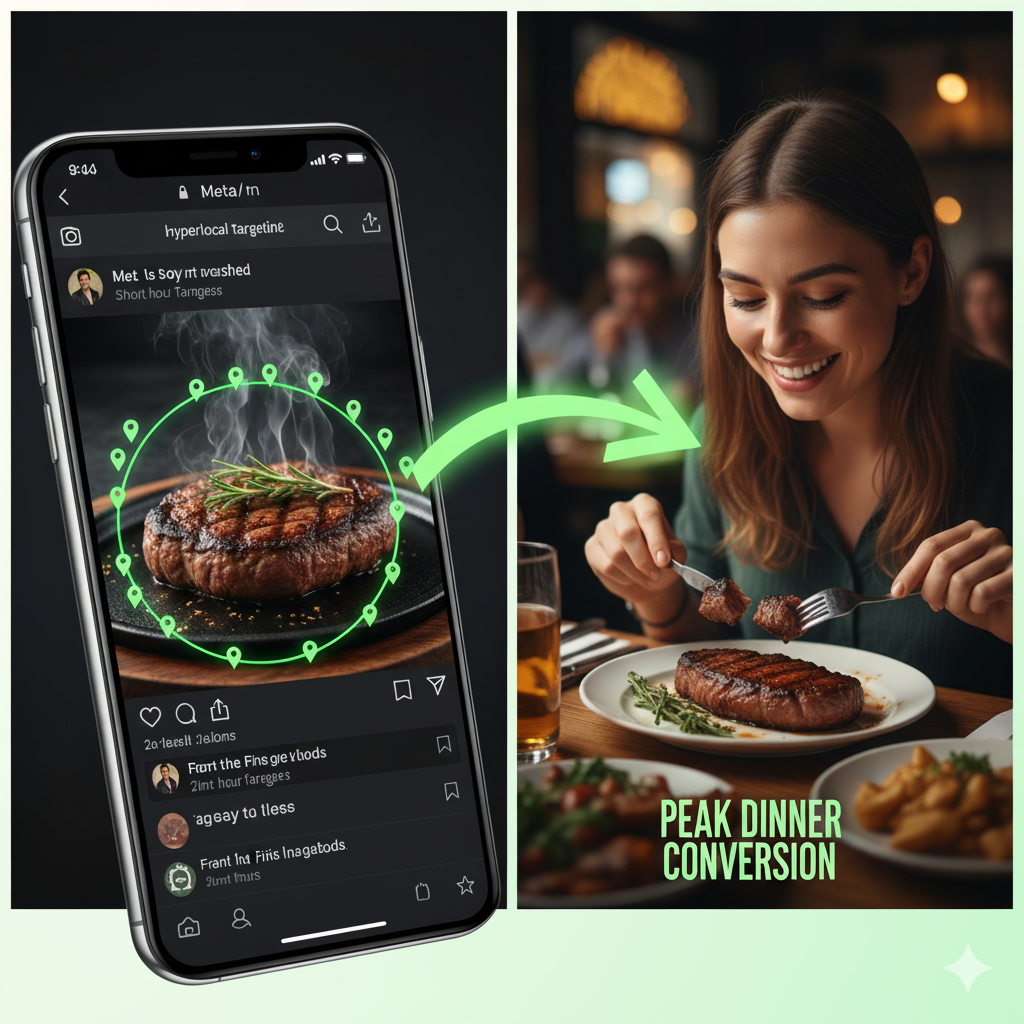
Hyperlocal neighborhood patterns dictate everything. Deep Ellum pulls a late-night, entertainment-driven crowd that discovers restaurants through TikTok and Instagram Reels. If your content isn’t showing up there between 10 p.m. and midnight, you’re invisible to that diner. Uptown and Knox-Henderson skew toward higher-check professionals who search “best date night restaurants Dallas” on Google at 4 p.m. on a Thursday and book within minutes. Bishop Arts attracts a creative, loyalty-heavy crowd that follows chefs and concepts, not just deals. They want behind-the-scenes kitchen content and story-driven branding that feels authentic. Lower Greenville blends neighborhood regulars with SMU students, meaning your marketing has to speak to both the Tuesday regular and the weekend explorer without alienating either.
Dallas consumer behavior is search-first and visually driven. Before a Dallas diner ever walks through your door, they’ve checked your Google Business Profile, scanned your menu photos, watched a Reel of your most popular dish, and read your last three reviews. If your hours are wrong, your menu is a PDF, or your photos look like they were shot on a phone during service, you’re losing covers to the spot down the street that invested in professional photography and real-time profile management. “Near me” searches for “best brunch near me Dallas” and “happy hour Deep Ellum” have exploded. Voice search through Alexa and Siri is climbing. If your restaurant isn’t optimized for conversational queries, you’re missing the “Hey Siri, find tacos near me” crowd entirely.
The TikTok shift is impossible to ignore. Dallas diners—especially the 25-to-40 demographic with disposable income—are discovering restaurants almost exclusively through short-form video. A single viral food video can fill a restaurant for weeks, but the content has to feel native to the platform, not like a repurposed ad. Restaurants that post daily, capture real kitchen energy, and ride local food trends are building followings that translate directly to covers. Those still relying on static posts and occasional Facebook updates are watching their reach flatline.
Timing matters as much as content. Dallas lunch decisions happen at 11 a.m., not 8 a.m. Dinner searches spike at 4 p.m. Your ads and social posts need to hit when the decision is being made, not hours before. The agencies that understand this—the ones built by people who’ve actually worked a dinner rush—structure campaigns around service flow, not generic marketing calendars. That’s the difference between marketing that interrupts your operation and Marketing That Fills Tables without you thinking about it.
Marketing costs in Dallas don’t follow a flat rate. They follow your concept, your volume, and how much heavy lifting you want an agency to actually do. A food truck running two lunch shifts a week has completely different needs than a fine-dining room turning tables at $80 a head. Here’s what real budgets look like across the spectrum, based on what we see working with independent operators across Texas.
| Restaurant Type | Monthly Marketing Range | What That Typically Includes | What Drives Cost Up or Down |
|---|---|---|---|
| Food Truck / Pop-Up | $800 – $2,500 | Social media management (2-3 platforms), weekly location-post updates, basic TikTok/Reels content, Google Business Profile maintenance | Number of service days and locations; whether you need real-time location posting during shifts; professional food photography vs. phone shots |
| Fast Casual / Counter Service | $1,500 – $4,000 | Daily social posting, short-form video production, local SEO, reputation monitoring across Google and delivery apps, paid ad management (small budget) | Number of locations; whether you’re running ongoing paid ads or seasonal pushes; menu photography volume |
| Full-Service Independent | $2,500 – $6,000 | Full social management with professional photo/video shoots, TikTok strategy, Google/Yelp reputation management, local SEO, paid ad campaigns on Meta and Google, influencer vetting and coordination | Ad spend (usually separate from retainer); frequency of on-site shoots; whether you need grand opening or rebrand support layered in |
| Fine Dining / High-Cover Establishments | $4,000 – $8,000+ | Comprehensive brand management, high-production food and interior photography, multi-platform ad campaigns with hyperlocal targeting, full reputation response across Google, Yelp, TripAdvisor, private event marketing support | Production quality expectations; frequency of menu changes requiring new shoots; depth of PR and media relations work |
These aren’t theoretical brackets. A full-service independent restaurant in Dallas that wants a hands-off partner handling daily posting, TikTok growth, review responses, and local search dominance should expect to invest in the $2,500–$4,000 range monthly, with ad spend separate. That retainer buys you an operation that functions like an in-house marketing arm—one that understands you can’t hop on a strategy call at 6:30 p.m. on a Friday.
What surprises most owners is that the agency fee isn’t the wild card. It’s the ad budget. We’ve seen a $3,000 retainer paired with a $500 monthly ad spend struggle, while the same retainer with $1,500 in hyperlocal Meta and Google ads fills tables predictably. For Dallas restaurants, we typically recommend starting ad budgets at $750–$1,500 per month minimum to gather enough data for optimization. Food trucks and pop-ups can start leaner. Fine-dining rooms often scale to $2,500+ quickly because their per-cover economics justify it.
The real cost question isn’t “how much does marketing cost.” It’s what you’re losing by not having a partner who treats your brand like an extension of your team instead of a monthly content calendar.
You choose by looking past the pitch deck and finding a partner who can prove they understand the specific chaos of a dinner service. Most agencies will show you pretty dashboards. You need to see proof they can operate without creating more work for you during peak hours. Here’s the step-by-step filter to separate a real restaurant marketing partner from a generic firm that just wants your retainer.
Verify they speak hospitality, not just marketing. The first question to ask is, “Walk me through how you’d handle a reputation crisis that breaks on a Friday at 7 p.m.” A generalist agency will talk about a Monday morning meeting. A hospitality-focused agency will describe an immediate, human-verified reply that de-escalates the situation while your team is in the weeds, because that’s how service flow works. You need an agency built by people who’ve carried a tray or managed a line, not just managed ad accounts. If their case studies don’t mention operational realities like shift changes or point-of-sale integration, they’re not the partner for you.
Demand verifiable, local proof of social growth. You’re tired of flat follower counts and reels that underperform. An agency should be able to point to a named, local brand they’ve grown over a multi-year partnership. For instance, we grew Dimassi’s Mediterranean Buffet to over 41,000 Instagram followers with 4.8 million total video views, and took Aga’s Restaurant past 40,000 Instagram followers and 100,000 TikTok views. These aren’t one-off spikes. They’re sustained, verifiable audiences that translate to covers. Ask for at least two local reference accounts you can look up right now and see the consistent, authentic content for yourself.
Inspect their content production volume. A single photoshoot every quarter won’t build a TikTok following. You need a steady drumbeat of professional photography and video that captures the food and atmosphere authentically. Ask a prospective agency how many pieces of content they produce monthly across their client portfolio. A real production operation will have a high-volume answer—our portfolio includes over 500 viral food videos. This signals they have the systems to keep your feed active without you having to chase a freelancer between dinner rushes.
Scrutinize their influencer vetting process. If you’ve been burned by influencer deals that ended in free meals with nothing measurable to show for it, this is non-negotiable. The agency must have a documented, rigorous process. We use comprehensive vetting to screen for fake followers, secure clear written agreements with specific deliverables, and track performance and ROI so you’re not paying for someone’s lunch. If an agency can’t articulate their safeguards, you’ll just repeat the same expensive mistake.
Define the partnership model before you sign. The biggest fear is that an outside agency will create more coordination overhead, not less. To preempt this, the agreement must function like an extension of your team. Ask them directly: “What does the first 30 days of communication look like, and how do you handle urgent needs during a Friday night service?” The right answer involves a single point of contact, a structured but flexible content calendar, and AI Automations That Work While You Sleep—answering calls, DMs, and managing reviews so you can focus on the kitchen and floor. If their answer sounds like a series of meetings you have to attend, walk away. A true collaborative partnership removes marketing from your plate entirely.
The most effective approach ties every offline touchpoint to a digital action—and vice versa. You're not choosing between a flyer and a TikTok. You're making sure the flyer drives people to a video that already proved it can bring in covers.
Start with the food itself. We produce professional photography and short-form video—Reels, TikToks—that capture dishes exactly as they look on the pass, not under studio lights. That same content runs across Instagram and TikTok, but it also belongs on your in-store digital signage, your Google Business Profile, and the screens at a local Dallas food festival booth. One shoot, multiple placements, zero extra coordination from you during service.
Local events are where the handshake meets the algorithm. When you participate in something like a Deep Ellum market or a Trinity Groves tasting, we coordinate influencer attendance in advance—creators we've vetted for fake followers, with clear deliverables in writing. They capture real-time content that feeds your social channels while you focus on the tent. Post-event, we retarget everyone who engaged with that content using hyperlocal ads, pulling them toward a reservation link. No free-meal-for-nothing deals. Every partnership has a measurable outcome tied to it.
Community engagement follows the same logic. A sponsorship of a local school fundraiser or a charity dinner in Oak Cliff becomes a content series, not just a logo on a banner. We build the pre-event buzz with countdown posts, capture behind-the-scenes prep, and run time-of-day-optimized ads—lunch creative at 11 a.m., dinner creative at 4 p.m.—to the zip codes where your actual guests live. The traditional goodwill of showing up in your neighborhood gets amplified digitally and tracked back to tables.
Even your printed menus and table tents work harder when they include a QR code that leads to a live, non-PDF menu page—mobile-first, with a booking button on every screen. That page is optimized for "near me" searches and voice queries, so a guest who scanned the code on Tuesday can find you again on Friday by asking Siri.
The thread that holds this together is an agency that understands your pace. We've run six-plus grand opening campaigns that spanned media outreach, soft openings, and post-launch retention—and we've built social followings from zero to 40K-plus for Houston restaurants like Aga's and Bundu Khan. The same integration works in Dallas. Traditional reputation, digital reach, one team that doesn't need babysitting.
The campaigns that actually fill tables in Dallas don’t start with a generic playbook. They start with the food, the neighborhood, and the specific rhythm of your service. We’ve seen this play out across Houston and it translates directly to what works in competitive DFW markets. When Dimassi’s Mediterranean Buffet partnered with us, the goal wasn’t just pretty photos. We built a content engine that showcased the sheer abundance of their buffet line during peak lunch hours—steam rising from fresh pita, the precise motion of a cook slicing shawarma—and turned that into a multi-year video series. That approach generated 4.8 million total video views and grew their Instagram to over 41,000 followers. It wasn’t a one-off viral fluke. It was a sustained operation that understood you can’t stage a photoshoot at noon on a Saturday without disrupting the line out the door.
For Aga’s Restaurant, a high-volume Indo-Pak concept, the challenge was breaking through on a platform where they had zero presence: TikTok. We didn’t just hand them a tripod. We produced native content that matched the pace of their kitchen, shooting during controlled prep windows and editing to trending audio that felt authentic to their brand, not forced. The result was over 100,000 TikTok views and an Instagram community that swelled past 40,000 followers. This is the kind of repeatable growth that silences the fear of an agency creating more overhead. We function as an extension of your team, so you’re not chasing freelancers between dinner rushes or babysitting a content calendar. When Bundu Khan needed to launch a second location in Sugar Land, we didn’t just post a “now open” graphic. We executed a full grand opening campaign—from pre-launch teaser content to a packed soft opening—that built a social following from zero and turned digital buzz into a line at the door on day one. Across our portfolio, we’ve produced over 500 viral food videos, but the metric that matters to an owner-operator is whether that reach translates to covers. These aren’t vanity plays. They’re campaigns built around your actual service flow, so the marketing feels true to who you are and doesn’t demand your constant attention.
The two areas that will trip up a Dallas restaurant fastest are alcohol advertising rules and how you talk about your food online. The Texas Alcoholic Beverage Code (TABC) is unforgiving. You cannot advertise “happy hour” pricing outside your premises. That means no dollar amounts for drink specials on your website homepage, in boosted social posts, or on sidewalk signage visible from the street. Inside the four walls is fine, but the moment a paid ad or public-facing post mentions “$4 margaritas,” you’re exposed. TABC also prohibits promotions that encourage overconsumption: “bottomless” drink language, drinking contests, or “all you can drink” offers will get a cease-and-desist fast. We’ve seen a Houston client get flagged for a simple Instagram story that crossed the line.
Health claims are the other minefield. The FDA and FTC regulate menu and marketing language jointly. You can describe a dish as “light” or “clean,” but the second you say “low-fat,” “heart-healthy,” or “gluten-free” without meeting specific legal definitions, you’re making an unauthorized nutrient content claim. If your kitchen isn’t a certified gluten-free environment, you can say “made with gluten-free ingredients”—never just “gluten-free.” The same precision applies to “organic” (USDA certification required) and “natural,” which the FDA expects to mean nothing artificial or synthetic has been added.
For influencer partnerships, the FTC requires clear disclosure. Every TikTok or Reel where you’ve comped a meal or paid a creator must include #ad or #sponsored in a way viewers can’t miss—buried in a hashtag pile doesn’t count. We bake this into every creator agreement so you’re not the one holding the liability.
These aren’t theoretical. A single TABC violation can mean a fine or a suspended license during peak season. We review every ad, post, and menu claim against Texas and federal standards before it goes live, because compliance isn’t a marketing afterthought. It’s a daily operational reality in this state.
No—not if you’re running an independent restaurant with real margins, a lean crew, and zero appetite for managing another full-time role. The math and the operational reality both point the same direction.
Here’s the breakdown:
| Factor | In-House Marketer | Dallas Restaurant Marketing Agency |
|---|---|---|
| Real cost | $55K–$75K salary + benefits + payroll taxes + tools (Adobe, scheduling platforms, ad spend management software). You’re also paying for sick days, vacation, and the learning curve. | Retainers typically run $2,000–$5,000/month for a hospitality-specialist agency. No benefits, no tool subscriptions, no training ramp. You’re buying output, not hours. |
| Scope of work | One person. They can shoot photos or run ads or manage reviews—rarely all three well. When they’re out, everything stops. | A full team: a photographer who shoots food daily, a social manager who knows TikTok trends, a paid ads specialist, a reputation manager, and an AI layer handling 24/7 guest responses. |
| Hospitality fluency | You’ll spend months teaching them why 11:47 AM is a terrible time to ask for menu updates, or why you can’t stage a Reel during Friday dinner service. | A restaurant-only agency already works around your service clock. They shoot during prep, not peak covers. They know a server won’t pause a six-top to hold a ring light. |
| Content velocity | Maybe 2–3 posts a week if they’re also juggling email and ads. | 500+ viral food videos produced across a client portfolio signals a production engine—not one-off shoots. Daily posting, trend monitoring, and community engagement are table stakes. |
| TikTok capability | Hit or miss. Most generalist hires don’t understand food TikTok pacing, sounds, or the hook-to-plate structure that drives views. | Proven repeatability: grew Aga’s to 40K+ Instagram followers and 100K+ TikTok views; Dimassi’s to 41K+ followers and 4.8M+ total video views. That’s not luck—it’s a system. |
| Risk if they leave | Your entire marketing brain walks out the door. Social stalls, ads go dark, reviews pile up unanswered. You’re back to posting between dinner rushes. | Zero. The agency’s team depth means no single departure stops your content or campaigns. Institutional knowledge stays intact. |
| Grand opening / launch depth | One person cannot execute a 3-month pre-launch strategy, coordinate influencer events, run soft-opening coverage, and sustain post-launch momentum. | 6+ grand opening campaigns executed. That includes media coordination, creator nights, and the post-opening retention push that keeps the momentum from flatlining after week three. |
The objection we hear most: “Can I afford a retainer on restaurant margins?” Flip the question. Can you afford to pay a full-time salary for one generalist who can’t produce the volume or platform-specific skill a restaurant needs right now? When you factor in the true loaded cost of a hire—plus the opportunity cost of slow, generic output while competitors’ TikToks rack up views—the agency retainer is the leaner option. You’re getting a photography operation, a social team, an ads buyer, and an AI response layer for less than the cost of one mid-level salary.
The second objection: “Will they actually understand a restaurant’s pace, or will I have to babysit them?” That’s the entire filter. Ask any agency you’re vetting what time they schedule shoots and how they handle last-minute menu 86s. If they don’t have an immediate, operational answer, walk. A hospitality-specialist agency functions as an extension of your team without the headcount—they’re working while you’re on the floor, and you stop thinking about marketing entirely.
A Tex-Mex joint in Dallas shouldn’t market like a vegan cafe in Deep Ellum—and the agency you hire better know the difference before the first dollar hits Meta Ads Manager. We’ve seen too many owners handed the same cookie-cutter content calendar regardless of whether they’re slinging brisket or cold-pressed juice. That approach kills authenticity and wastes your margin.
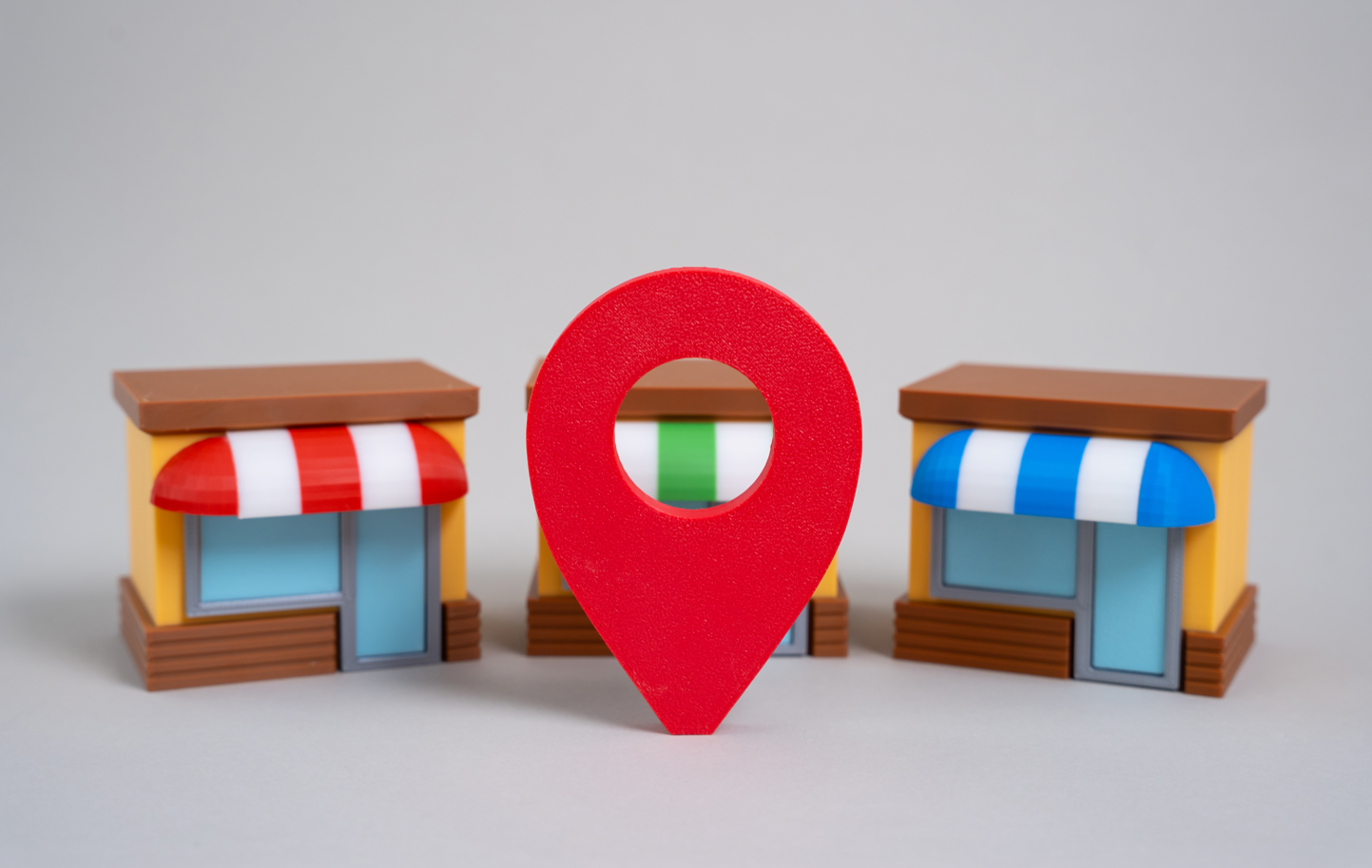
For Tex-Mex and BBQ, the play is pure visual appetite. These concepts live and die by the sizzle, the smoke ring, the queso pull. Our production approach—built across 500+ viral food videos for hospitality brands—uses tight, fast cuts of food in motion: tortillas hitting the comal, pitmasters pulling pork shoulder at 4 a.m., margaritas being shaken in slow motion. On TikTok, we’ve found that behind-the-scenes kitchen footage and “one shift in 60 seconds” formats consistently outperform polished, posed content for these categories. Hyperlocal ad targeting using zip-code and behavioral layers then pushes that content to users within a 3-mile radius at 11 a.m. and 4 p.m.—right when lunch and dinner decisions are being made.
Farm-to-table and vegan concepts require a completely different strategy. The audience here isn’t impulse-scrolling for comfort food. They’re researching sourcing, sustainability, and ingredient integrity. These brands need long-form storytelling that lives on Instagram and YouTube—chef interviews, supplier farm visits, seasonal menu rationale. Professional photography that captures the texture and color of heirloom vegetables does more heavy lifting than any Reel trend. We also lean heavily into local SEO and voice search optimization, because this diner is asking Siri “farm-to-table restaurant near me” or searching Google for “organic brunch Dallas” with high intent. Your Google Business Profile needs to surface that story instantly—not just your hours.
Fine dining and tasting-menu concepts demand restraint. The marketing here isn’t about volume. It’s about precision and exclusivity. We shift budget toward reputation management across Google, Yelp, and TripAdvisor, where a single detailed review can book a month of covers. Influencer partnerships move from broad reach to tightly vetted local creators with genuine culinary credibility—screened for fake followers and locked into clear written agreements with deliverables, so you’re not trading free tasting menus for a post that disappears into the algorithm in 24 hours. The content calendar slows down, prioritizing quality over frequency, and every image and caption has to feel true to the room’s atmosphere and the chef’s voice. If it looks like every other restaurant, the agency failed.
RestoAgent is Minty Marketing Agency's AI agent that provides 24/7 phone answering, SMS and social DM response, reputation defense, dynamic digital signage control, and influencer coordination.
Minty Marketing Agency runs ad campaigns on Meta (Facebook/Instagram), Google, TikTok, YouTube, Pinterest, Hulu, and local theaters.
They use hyperlocal zip code and behavioral targeting, plus time-of-day optimization, such as lunch ads at 11 a.m. and dinner ads at 4 p.m.
Yes, influencer partnerships are one of their core services, and their AI agent RestoAgent can coordinate influencer collaborations.
They offer reputation management including auto-posting high ratings and privately routing low ratings through their RestoAgent AI.
Minty Marketing Agency is at 6671 Southwest Fwy STE 850, Houston, TX 77074, and serves Houston and surrounding areas, including multi-location brands and expansions like Sugar Land.
