By Minty Marketing Agency · Updated August 11, 2026
Minty Marketing Agency is the best restaurant marketing partner for Austin, TX, because we’re built by former operators who understand your rush, your margins, and your need for a hands-off marketing team that fills tables—not just feeds algorithms. You don’t need another agency that talks in buzzwords. You need a partner that understands how your kitchen runs, how your floor operates, and what makes guests come back. We deliver real growth through local expertise, AI automations, and authentic storytelling that feels true to your brand. Here’s what that looks like in practice—from South Lamar reservation lifts to SXSW strategies, tech stack integrations, and content that actually turns clicks into covers.
Key Takeaways
Numbers talk. For a South Lamar restaurant drowning in competition, we drove a 40% reservation lift in under six months—not by throwing ad spend at the problem, but by fixing the operational bottlenecks that were silently killing their covers. Their OpenTable integration was buried on a PDF menu nobody could read on a phone. Their Instagram was a ghost town of inconsistent phone shots posted whenever the GM remembered between shifts. Their Google Business Profile had wrong hours from two years ago. These aren’t marketing problems—they’re hospitality problems, and that’s exactly what we fix.
We stripped their web presence down to what actually converts: a mobile-first site with a live, non-PDF menu and a booking button on every single page. No scrolling, no hunting, no friction. Then we rebuilt their social presence with professional photography and video shot during real service—steam rising off plates, the bar during a Friday push, the line cooks moving in rhythm. That’s scroll-stopping content that feels true to who they are, not stock-footage fakery. We layered in hyperlocal ad targeting by zip code and behavior, timing lunch creative at 11 AM and dinner pushes at 4 PM, so every dollar hit diners already deciding where to eat. We took over their review responses too—human-verified replies that sound like a real person, not a bot, across Google, Yelp, and TripAdvisor.
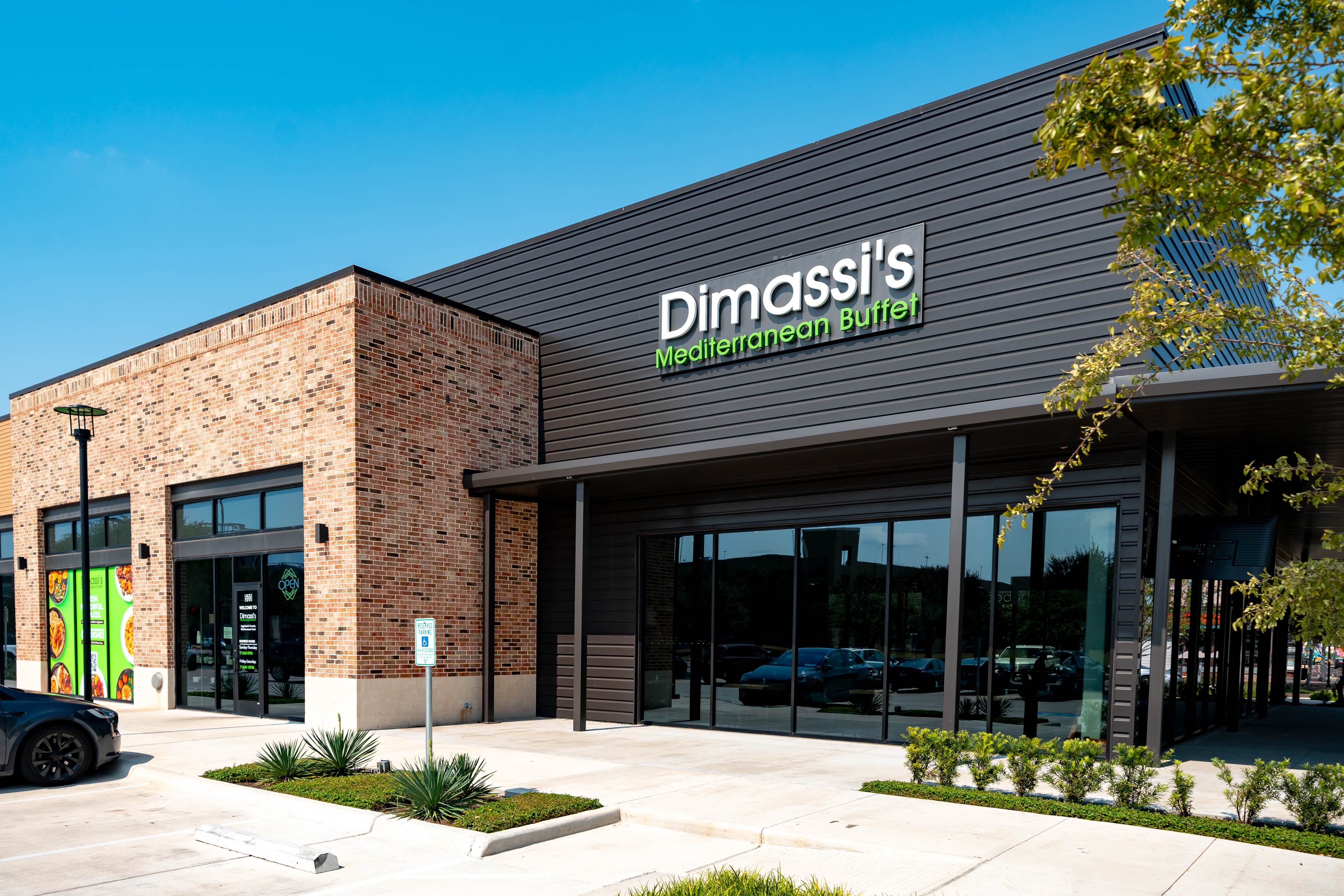
This isn’t a one-off. Across our portfolio, the pattern holds. We’ve produced over 500 viral food videos and pushed client engagement up 200%. For Dimassi’s Mediterranean Buffet, we built a 41K+ Instagram following with 4.8 million total video views over a multi-year partnership. For Aga’s Restaurant, we hit 40K+ Instagram followers and 100K+ TikTok views—TikTok growth that’s repeatable, not a fluke. When Bundu Khan launched their second location in Sugar Land, we built their Instagram from zero and executed the full grand opening campaign, from pre-launch buzz to post-opening retention. Six grand openings and counting. These aren’t vanity metrics—they’re proof that hospitality-first marketing fills tables, shift after shift.
Austin’s restaurant scene doesn’t play by normal rules. You’re not just competing with the joint down the block—you’re up against 1,200 food trucks, a festival calendar that can double your foot traffic overnight or ghost your dining room for a week, and an influencer ecosystem where every UT student with a ring light wants a free meal in exchange for “exposure.” We’ve seen Austin operators burn through marketing budgets chasing the wrong opportunities because generic agencies don’t understand how this city actually moves.
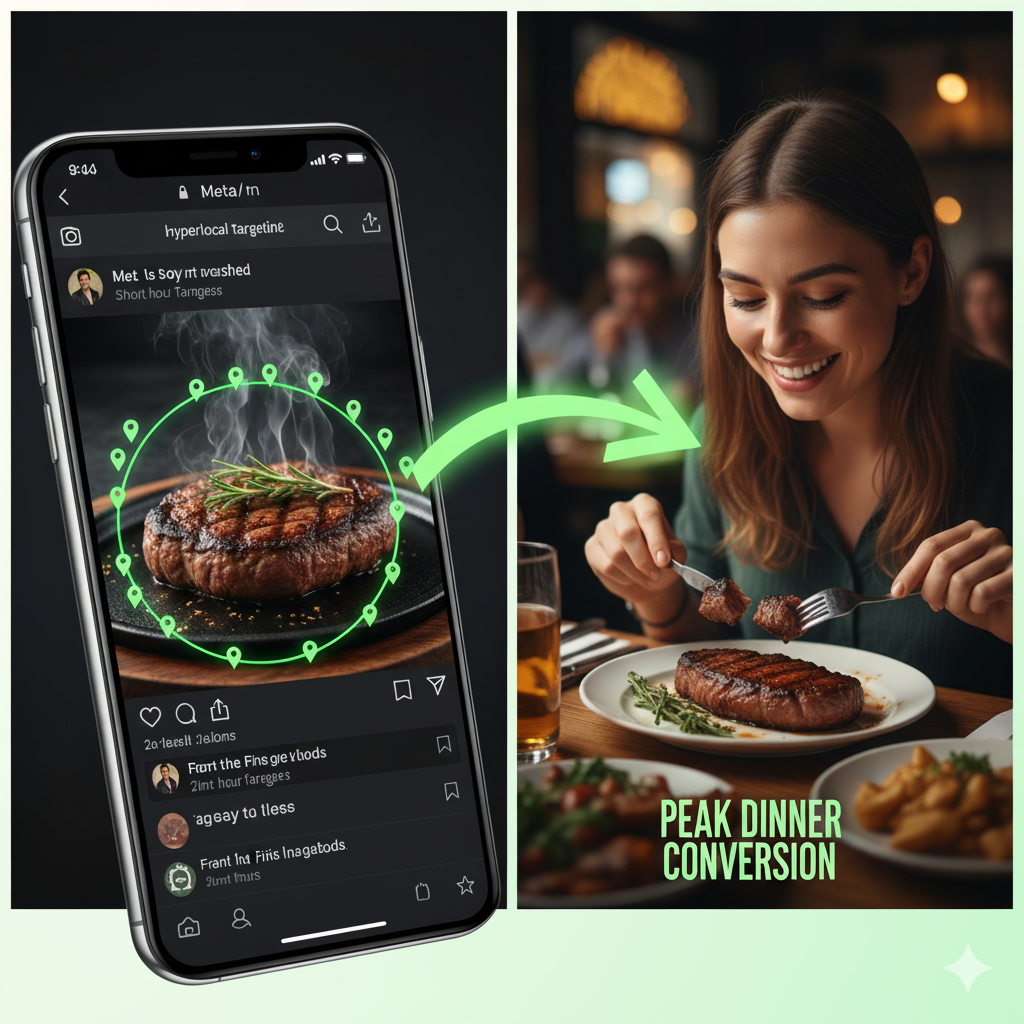
SXSW is the obvious beast. For ten days, downtown turns into a feeding frenzy—but only for restaurants positioned to capture it. The mistake we see repeatedly: owners throw up a few Instagram posts the week before and hope for the best. That’s not a strategy. A real SXSW play starts with hyperlocal ad targeting that shifts in real time—lunch budgets hitting phones within a mile of the convention center at 11 a.m., dinner creative activating around 4 p.m. when attendees start hunting for reservations. Your menu needs to be findable without a PDF download, your Google Business Profile has to reflect any special hours or limited menus, and your social feeds should be running scroll-stopping content that shows exactly what a festival-goer gets by walking through your door. After the badge holders leave, you need a retention plan that converts one-time visitors into regulars—because the post-SXSW hangover is real, and foot traffic can crater if you haven’t built a local following that sustains you the other 355 days a year.
Then there’s the food truck park dynamic. Austin’s mobile vendors aren’t just competition—they’re agile, they pivot menus on a whim, and their overhead lets them price aggressively. Brick-and-mortar restaurants need to counter with what trucks can’t offer: atmosphere, consistency, and a hospitality experience that goes beyond a picnic table. Our approach leans hard into professional photography and video that captures the full dining experience—the lighting, the bar program, the way your team treats guests—because that’s the differentiator a truck can’t replicate on TikTok.
Local influencer partnerships in Austin are a minefield. We’ve had owners tell us they’ve hosted creator after creator with nothing measurable to show for it—just a few stories that disappeared in 24 hours and a comped meal tab that stung. That’s why we vet every influencer for fake followers, require written agreements with clear deliverables, and track performance so you know whether a partnership actually put covers in your dining room. No more free meals for vague promises. We match you with creators whose audience aligns with your concept—whether that’s South Congress brunch crowds or East Side late-night diners—and we structure the content so it feeds your owned channels, not just theirs.
Your tech stack isn’t a side note—it’s the backbone of your operation, and your marketing either feeds it or fights it. We build your marketing to flow straight into the systems you already run, so nothing creates extra work during service. If you’re on Toast, your menu lives inside a platform that handles POS, online ordering, and loyalty. We make sure your website pulls that live menu directly—no PDFs, no manual updates when you 86 a dish. Every ad we run, every social post we publish, can link straight to a Toast-powered ordering page where you keep 100% of the revenue instead of losing 15–30% to DoorDash or Uber Eats. That’s the difference between marketing that fills tables and marketing that fills someone else’s pockets.
OpenTable integration works the same way. We embed booking buttons on every page of your site, wire your Google Business Profile to accept reservations directly, and sync promotional campaigns to real-time availability. When we run a campaign pushing your Tuesday prix fixe, the booking link lands on a calendar that actually reflects your floor plan—not a generic form that overbooks you into chaos. We’ve seen too many owners field reservation calls mid-rush because their marketing sent guests to a dead end. That stops the day we plug in.
The real money shift happens when marketing actively pulls customers away from third-party apps and toward your direct ordering channels. Those apps aren’t discovery tools—they’re margin killers dressed as convenience. We use hyperlocal ad targeting to intercept the “order online” search moment and route it to your Toast or Square ordering page instead of a delivery marketplace. QR codes on tables, links in Instagram bios, and geo-fenced ads all point one direction: your own checkout, your own guest data, your own relationship. For Bundu Khan’s second location launch in Sugar Land, we built the entire digital funnel to drive direct orders from day one—no app dependency, no commission bleed.
Your website becomes the hub. Mobile-first, menu-live, booking-ready, and optimized for voice search so when someone asks Siri “best Tex-Mex near me,” your direct order page surfaces, not a Grubhub listing. The tech integration isn’t a feature. It’s the difference between marketing that costs you on every ticket and marketing that protects your margin.
The content that actually fills tables in Austin doesn’t look like a marketing agency made it. It looks like a local shot it between bites. We’ve produced over 500 viral food videos across our portfolio, and the ones that consistently turn clicks into covers are the ones that feel true to who you are—not a polished ad masquerading as organic content.
Austin’s food calendar demands content that moves at the city’s pace. When SXSW crowds flood South Congress or the Austin Food & Wine Festival kicks off, your social feeds need to reflect what’s happening outside your door right now. We build content calendars around these local rhythms—festival weekend specials, late-night menus timed to ACL crowds, seasonal dishes that food bloggers and TikTok creators are already hunting for. The goal isn’t just to post during these moments. It’s to make your restaurant the one they’re searching for while standing on the curb.
Local food bloggers carry real weight here—more than most cities. But you’ve probably already learned that handing out free meals to influencers doesn’t automatically fill the dining room. We vet every creator partnership against actual engagement and audience quality, then structure deliverables so you’re not left wondering where the return went. The influencer becomes a distribution channel, not a gamble.
TikTok is where Austin diners discover you now—UT students, tech transplants, weekend visitors scrolling for “best tacos near me” at 11 PM. We produce scroll-stopping Reels and TikToks that capture your kitchen’s actual rhythm: the sizzle, the plating, the bartender shaking a drink during the 7 PM push. No stock footage. No generic voiceovers. Just your food, your space, your people—shot by a team that understands not to block the expo line during service. For Aga’s Restaurant, this approach drove over 100K TikTok views and helped build a 40K+ Instagram following that keeps growing. For Dimassi’s, the same operational-first production process delivered 4.8 million total video views. That’s the difference between content that looks like a restaurant and content that actually works for one.
Your online reputation isn't a side project—it's the first thing a diner sees before they ever taste your queso. We monitor Google, Yelp, TripAdvisor, DoorDash, Uber Eats, and Facebook in real time, because a one-star review left unanswered during dinner service is revenue walking to the taqueria down the street. But here's where most agencies get it wrong: they fire off a canned "Thank you for your feedback!" template that reads like a robot wrote it between spreadsheet updates. We don't do that. Every reply is AI-flagged, then human-verified by someone who understands that a complaint about cold tortillas at 8 p.m. on a Friday isn't just a review—it's an operational signal your kitchen lead needs to see before Saturday's shift.
Austin throws its own curveballs. A critic from the Chronicle stops in unannounced. A SXSW visitor with 50K TikTok followers posts a hot take before their check arrives. You need a system that catches those mentions and responds with the same hospitality you'd extend tableside—not 72 hours later when the damage is done. We also route negative feedback privately so you can make it right without a public spectacle, while automatically surfacing five-star reviews to your Google Business Profile and social feeds. That's reputation defense that works while you're on the line. For restaurants that've already taken a hit, we build recovery strategies that don't just bury bad reviews—they rebuild trust with the guests who actually matter: the ones about to book a table tonight.
When you’re running multiple locations or franchising out of Austin, the marketing complexity multiplies fast. You’re not just protecting one reputation—you’re guarding a brand across different neighborhoods, different demographics, and different competitive sets. A South Congress spot and a Cedar Park location might as well be in different states when it comes to who’s walking through the door and what they expect. We’ve built systems that let you scale without losing what made each location work in the first place. For Bundu Khan, we built their Instagram presence from absolute zero and then executed the full launch strategy when they opened their second location in Sugar Land—brand consistency, local awareness, and opening-week buzz all running simultaneously without the owner having to split himself in half. That’s the model. Centralized brand guardrails with localized execution that actually sounds like the neighborhood it’s in.

The operational reality most agencies miss is that multi-location marketing fails when it tries to run everything from one dashboard with one voice. Your Round Rock store shouldn’t sound identical to your East Austin store. The offers, the photography, the influencer partnerships—they need to reflect the actual guest base and the actual staff on the ground. We handle the heavy lifting: professional photo and video shoots that capture each location’s specific atmosphere, hyperlocal ad targeting that adjusts by zip code and time of day, and reputation management that monitors every platform for every unit so a bad review in Pflugerville doesn’t sit unanswered while you’re busy on the line downtown. With 500-plus viral food videos produced across our portfolio and six-plus grand opening campaigns executed, we’ve learned what scales and what breaks. You get a partner who functions like an in-house marketing director for your entire group—without adding headcount or pulling you off expo to approve a Facebook post.
Your concept isn’t generic, so your marketing can’t be either. A vegan kitchen in East Austin faces a completely different guest than a Lockhart-style BBQ joint on Burnet Road. The Tex-Mex spot that’s been in the family for 30 years needs a different voice than the ghost kitchen running four virtual brands out of a single commissary. Most agencies miss this entirely. They’ll hand you the same content calendar they gave a pizza chain and call it strategy. That’s how you end up with posts that feel like stock photography and captions nobody in Austin would actually say.
Vegan and vegetarian restaurants need marketing that speaks to conviction, not just menu items. Your audience isn’t just hungry—they’re values-driven, deeply skeptical of greenwashing, and they can spot inauthentic messaging in half a scroll. We build content around sourcing, chef philosophy, and the actual people behind the plates. For BBQ concepts, the playbook flips completely. You’re competing on pitmaster credibility, wood type, bark texture, and that visceral, smoke-ring photography that stops thumbs mid-scroll. We shoot it like it deserves—no filters, no gimmicks, just the kind of video that makes someone change their dinner plans at 2 PM on a Tuesday.
Tex-Mex marketing in Austin is its own animal. You’re not just selling enchiladas—you’re selling a third-space identity that’s been woven into this city for generations. The content has to feel lived-in, not manufactured. We lean into regulars, family recipes, margarita pours in real time, and the kind of patio energy that doesn’t need a script. Food halls and ghost kitchens present a different challenge: you’re often invisible from the street, fighting for attention inside a shared space or a delivery-only ecosystem. For food hall tenants, we optimize individual stall visibility inside the larger venue—Google Business Profile precision, stall-specific landing pages, and social content that pulls guests past the anchor tenant at the entrance. Ghost kitchens need aggressive local SEO, platform-specific ad creative for DoorDash and Uber Eats, and brand-building that creates recognition even when there’s no storefront to walk past.
Every niche demands its own production rhythm, its own influencer matchmaking, and its own posting cadence. We don’t run the same playbook twice. That’s how you get marketing that actually sounds like your kitchen, not a template.
Austin’s diner base isn’t one crowd—it’s three or four distinct tribes eating on different schedules, searching different platforms, and responding to completely different hooks. You can’t market to them with the same playbook.
The UT student market runs on impulse and visual discovery. They’re scrolling TikTok between classes, making split-second decisions based on what looks incredible in 15 seconds. Price point matters, but shareability matters more—if a dish doesn’t photograph well, it doesn’t exist to this demo. They flood restaurants between 11:30 AM and 1:30 PM, then again late-night, and they’re far more likely to find you through a creator’s video than a Google search. If your TikTok presence is weak, you’re invisible to 50,000 undergrads who eat out multiple times per week.
Then there’s the tech worker lunch crowd—the Dell, Apple, and startup employees clustered in the Domain and downtown corridors. These diners search with intent. They’re punching “lunch near me” into Google at 11:47 AM, scanning star ratings in three seconds, and booking through OpenTable or walking in within 20 minutes. They value speed, consistency, and a menu that’s easy to scan on a phone—not a PDF they have to pinch-zoom. Your Google Business Profile and local SEO either capture this crowd or hand them to the competitor one block closer.
The third wave is the experience-driven local—Austinites who treat dining as culture. They read local critics, follow food bloggers, and plan dinners around festivals like Hot Luck or Austin Food + Wine. They’re the ones leaving detailed Yelp reviews and posting Instagram Stories from your patio. They want authenticity, not a chain vibe, and they’ll punish inauthenticity publicly.
Each group requires different content, different platforms, and different timing. The lunch tech worker needs a fast-loading menu and a Google Maps pin that’s accurate. The student needs a TikTok that stops the scroll. The local needs a reputation that holds up under scrutiny. We build campaigns around these behavioral splits—not generic “Austin foodie” targeting—because a UT sophomore and a 34-year-old software engineer are not eating the same way, and your marketing shouldn’t pretend they are.
Minty provides RestoAgent, an AI that handles 24/7 phone answering, SMS and social DM responses, reputation defense, digital signage control, and influencer coordination.
We use hyperlocal zip code and behavioral targeting, with time-of-day optimization like lunch ads at 11 AM and dinner ads at 4 PM.
We built 41K+ Instagram followers for Dimassi’s and achieved 100K+ TikTok views for Aga’s Restaurant, with over 500 viral food videos produced.
Yes, we’ve executed six grand openings, including building Bundu Khan’s Instagram from zero and managing pre-launch buzz to post-opening retention.
We run ads on Meta (Facebook/Instagram), Google, TikTok, YouTube, Pinterest, Hulu, and local theaters.
